Family & connection
The first real friendships
The wobbly, wonderful start of playing together.
What it is
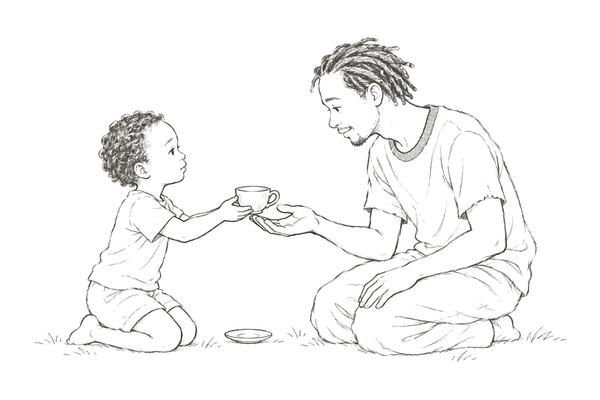
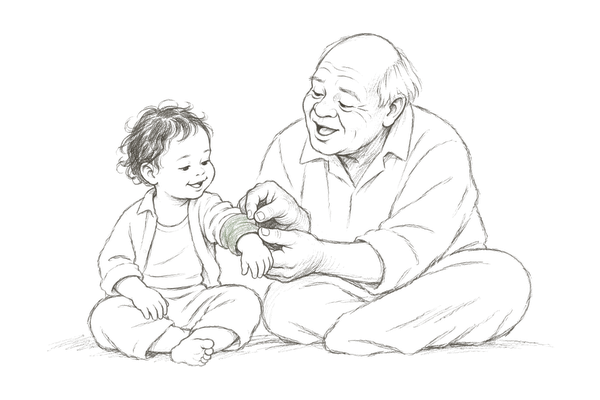
Around three, play starts to shift from side-by-side to truly together — and with it come the first friendships, and the first squabbles. You can gently coach the skills underneath: taking turns, swapping ideas, noticing how a friend feels.
Easy ways in
- Short, low-key playdates work best — one friend, not a crowd.
- Role-play tricky moments at home: "Can I play too?" is a sentence worth rehearsing.
- When friends clash, help them name feelings and find a fix, rather than stepping in to solve it.
Why it helps
Early friendships are where children practise sharing, negotiating and recovering from a falling-out — the social skills that make the school years easier. The bumps are part of the learning, not a sign anything is wrong.
Where this comes from
Widely recommendedWell supported by parenting and child-development bodies.
- Raising Children Network (Australia), Preschoolers making friends (2024)
Wattle is a planning companion, not medical advice. For health concerns, speak with your child health nurse or GP.